

When it comes to creating an inviting outdoor space, an outdoor pergola stands out as a popular choice. It provides a shaded area for relaxation, entertainment, and enjoying the beauty of nature. However, one common challenge that pergola owners face is dealing with insects. Insects can quickly turn a pleasant outdoor experience into an uncomfortable one. As an outdoor pergola supplier, we understand the importance of keeping your pergola insect - free. In this blog, we will explore various insect - proofing methods to help you enjoy your outdoor space to the fullest.
1. Natural Insect Repellents
One of the most environmentally friendly ways to keep insects away from your outdoor pergola is by using natural insect repellents. These are often made from plant - based ingredients and are safe for both humans and the environment.
Citronella
Citronella is a well - known natural insect repellent. You can use citronella candles or torches around your pergola. When lit, these candles release the citronella scent, which masks the scents that attract insects, such as carbon dioxide and lactic acid that humans emit. Place them strategically around the perimeter of the pergola. For a more long - lasting effect, you can also plant citronella grass near the pergola. It not only repels insects but also adds a touch of greenery to your outdoor space.
Lavender
Lavender has a pleasant fragrance for humans but is a deterrent for many insects, including mosquitoes and moths. You can plant lavender bushes around the pergola or use lavender essential oil. Add a few drops of lavender oil to a diffuser or soak cotton balls in the oil and place them in small bowls around the pergola. The sweet smell of lavender will keep insects at bay while creating a relaxing atmosphere.
Eucalyptus
Eucalyptus leaves contain compounds that repel insects. You can hang eucalyptus branches inside the pergola or use eucalyptus oil. Similar to lavender oil, you can add a few drops of eucalyptus oil to a spray bottle filled with water and spritz it around the pergola. This will not only repel insects but also leave a fresh, clean scent in the air.
2. Insect Screens
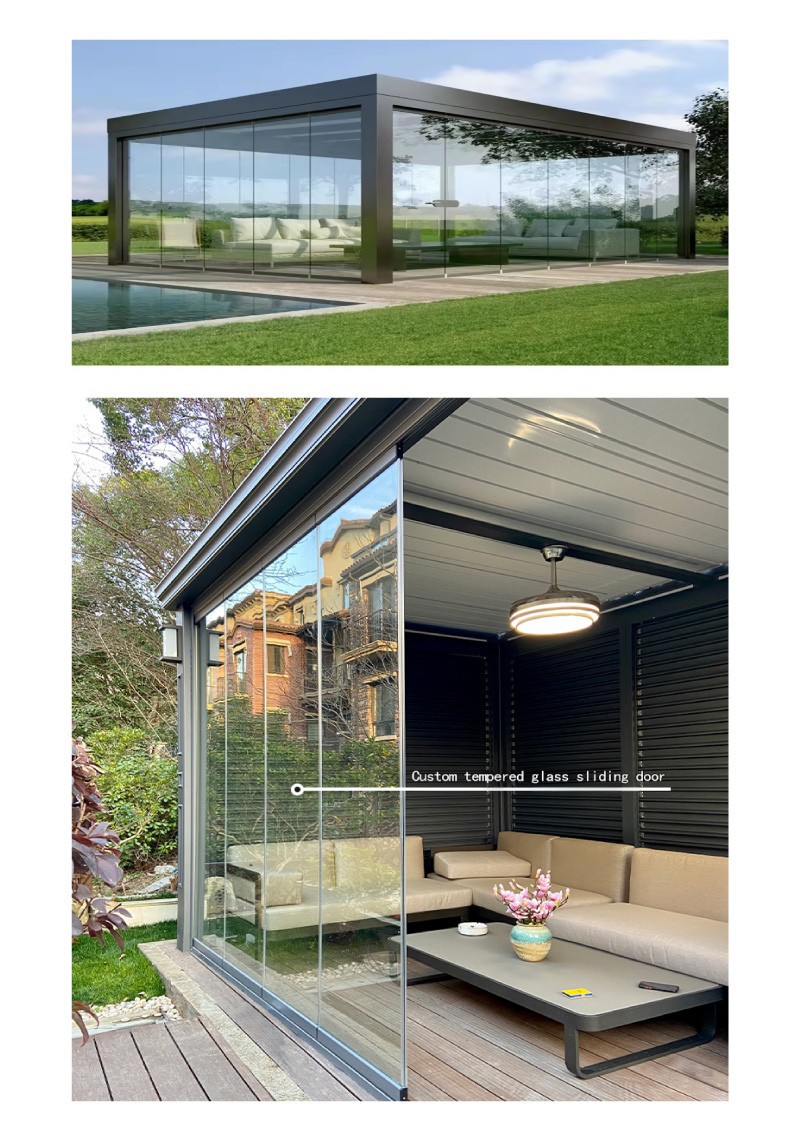
Installing insect screens is a practical and effective way to keep insects out of your outdoor pergola. There are different types of insect screens available on the market.
Mesh Screens
Mesh screens are made of fine materials that allow air to flow through while preventing insects from entering. You can choose from various mesh sizes depending on the type of insects you want to keep out. For example, a smaller mesh size is more effective against tiny insects like gnats. These screens can be attached to the pergola using hooks, Velcro, or zippers. They are relatively easy to install and can be removed during the off - season if needed. Our White Aluminum Pergola Roof can be easily fitted with mesh screens to provide an insect - free environment.
Retractable Screens
Retractable screens offer the flexibility of using the pergola with or without the screens. When you want to enjoy an open - air experience, you can retract the screens. And when insects become a problem, you can extend them. These screens are often motorized, which makes them convenient to operate. Our Modern Outdoor Waterproof Motorized Aluminum Pergola is an ideal choice if you are considering retractable insect screens, as it is designed to accommodate such installations seamlessly.
3. Lighting Considerations
The type of lighting you use in your outdoor pergola can also affect the presence of insects.
Yellow or LED Lights
Traditional white lights tend to attract insects. In contrast, yellow lights are less attractive to insects because they emit a wavelength that is less visible to them. LED lights, especially those with a warm color temperature, are also a good option. They consume less energy and produce less heat, which makes them less appealing to insects. Replace your regular bulbs with yellow or warm - toned LED bulbs in the pergola to reduce the number of insects drawn to the area.
Bug - Zapper Lights
Bug - zapper lights work by attracting insects with ultraviolet light and then electrocuting them. You can install a bug - zapper light in a corner of the pergola. However, it's important to note that bug - zappers may also attract and kill beneficial insects, so use them with caution.
4. Landscape Management
Proper landscape management around your pergola can significantly reduce the insect population.
Remove Standing Water
Standing water is a breeding ground for mosquitoes. Check your outdoor area regularly for any sources of standing water, such as flower pots, buckets, or clogged gutters. Empty the water and ensure proper drainage to prevent mosquitoes from laying their eggs.
Trim Vegetation
Overgrown vegetation around the pergola can provide hiding places for insects. Trim bushes, trees, and grass regularly to reduce the amount of shelter available for insects. This also improves air circulation, which can make the area less attractive to insects.
Avoid Attracting Insects with Food
If you are using the pergola for dining or entertaining, be careful not to leave food and drinks exposed for too long. Clean up any spills immediately and store food in sealed containers. This will prevent ants, flies, and other food - seeking insects from being attracted to the area.

5. Chemical Insecticides
If natural methods and other preventive measures are not sufficient, you can consider using chemical insecticides.
Sprays
Insecticide sprays can be used to treat the perimeter of the pergola and the surrounding area. There are both synthetic and natural insecticide sprays available. Synthetic sprays are often more potent and provide longer - lasting protection, but they may also have a stronger odor and potential environmental impacts. Natural insecticide sprays, on the other hand, are made from plant - based ingredients and are generally safer for the environment.
Foggers
Foggers release a fine mist of insecticide into the air, which can quickly kill insects in the area. However, foggers should be used with caution as they can be harmful to humans and pets if not used properly. It's best to use foggers when the pergola is not in use and to follow the manufacturer's instructions carefully.
6. Ultrasonic Repellents
Ultrasonic repellents emit high - frequency sound waves that are supposed to repel insects. These devices are usually battery - operated or can be plugged into an electrical outlet. They are a non - toxic and relatively quiet way to keep insects away. Place ultrasonic repellents around the pergola, but keep in mind that their effectiveness may vary depending on the type of insects and the environment.
In conclusion, there are multiple ways to protect your outdoor pergola from insects. By combining different methods, you can create an insect - free outdoor space that you can enjoy throughout the year. Whether you prefer natural solutions, physical barriers, or chemical treatments, there is an option that will suit your needs.
As an outdoor pergola supplier, we are committed to providing you with high - quality pergolas and helpful advice on how to make the most of your outdoor space. Our Wall Mounted Aluminum Pergola is another great option for those looking for a stylish and functional outdoor structure. If you are interested in purchasing an outdoor pergola or need more information about insect - proofing methods, we encourage you to contact us for a detailed discussion. We look forward to helping you create your dream outdoor oasis.
References
- "The Handbook of Pest Control: The Behavior, Life History, and Control of Household Pests" by Arnold Mallis.
- "Insects and Gardens: An Organic Approach to pest Control" by Eric Grissell.